Frome Valley Pollinator Pathway
The Frome Valley Pollinator Pathway is a partnership project which aims to link people and land along the Frome Valley in South Gloucestershire. The Pollinator Pathway aims to create a biodiversity corridor by developing five new wildflower sites and encouraging community garden activity.
Our mission is to create and enhance pollinator biodiversity in our local area and connect local people to nature. We are developing this project in line with the West of England Nature Recovery Network objectives to create wildlife corridors and improve the landscape’s resilience, and the methods are informed by Dave Goulson’s book ‘Silent Earth, Averting the Insect Apocalypse’.


The project is a collaboration between Frome Valley Environmental Network CiC as part of our Climate Action work, and the Frome Valley Growing Project, which has become a Pollinator Hub, providing seeds and plants for our various sites in addition to community learning experiences.
We received grant funding for this project from The West of England Combined Authority Community Pollinator Awards. This funding has allowed us to provide pollinator habitats, enhance biodiversity, provide learning opportunities and skills development, and improve wellbeing with the local community.


Enhancing and connecting nature
Using permaculture design principles and Ecologist recommendations, we have worked in collaboration with Winterbourne Parish Council, Elm Park Primary School, Hambrook Primary School, Frampton Church of England School, Winterbourne Academy, and Winterbourne Library to plan and develop sites that meet the needs of both humans and nature.


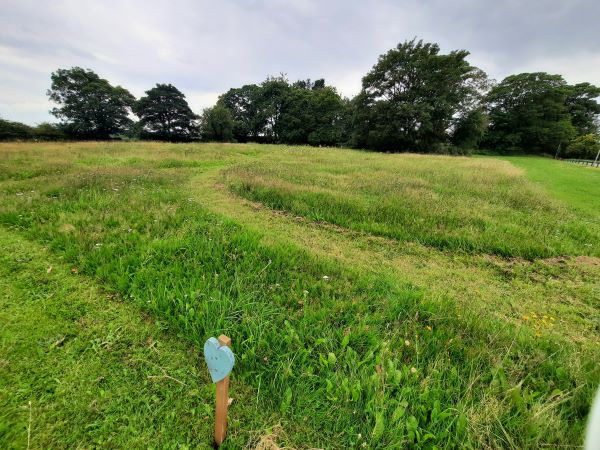
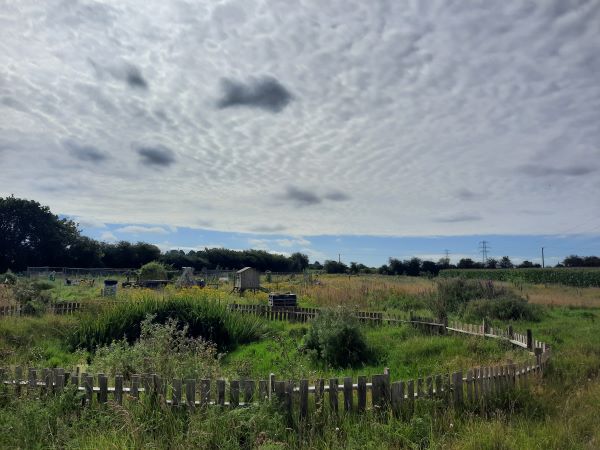
We have also planted a new ephemeral wetland meadow at the Frome Valley Growing Project and are enhancing the Whiteshill Common wildflower meadow, which is owned by Winterbourne Parish Council. The new sites use native variety plug plants, trees and seeds specifically chosen for their pollinator benefits and their suitability to the sites. The ephemeral wetland includes plants that can cope with seasonal flooding, while Whiteshill Common includes plants adapted to acidic shallow soils. Working with community groups, we have planted child-friendly and safe plants for interaction at the school sites and Winterbourne Library. We do not use pesticides or chemical sprays of any kind on our sites, and also provide diverse habitats by installing and maintaining log piles, hibernaculas, ponds and bug hotels. Our meadow lands are managed using traditional methods that involve minimal cutting and plenty of time for the seed to set, ensuring the sites continue to thrive and increase in biodiversity.
The sites described above have been developed through community workshops, volunteer sessions, learning events and facilitated sessions in schools with groups of students. In addition, we have worked with university students to attend biodiversity surveys and with the local community to attend Scything workshops.
Community Nature Reserve
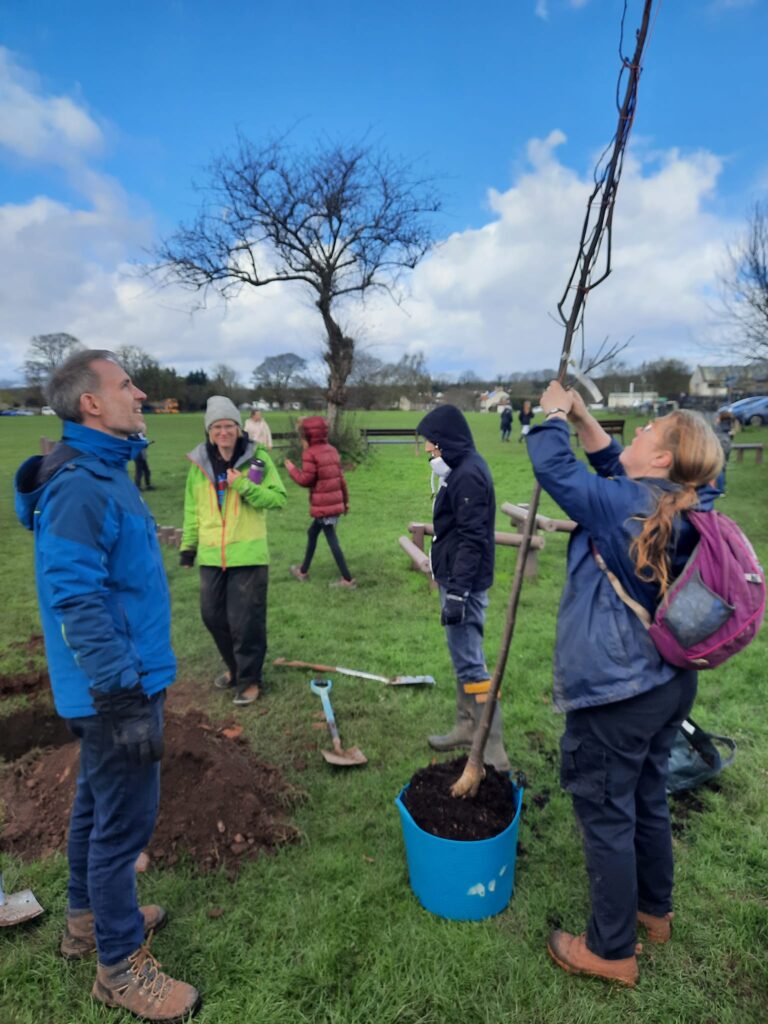
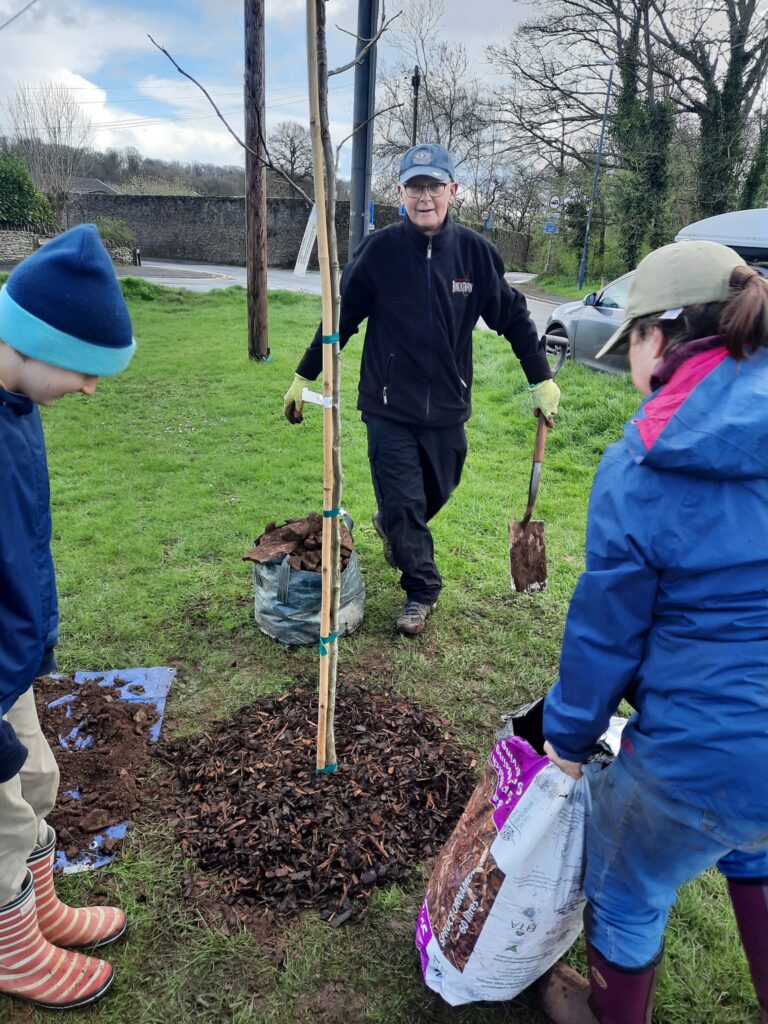
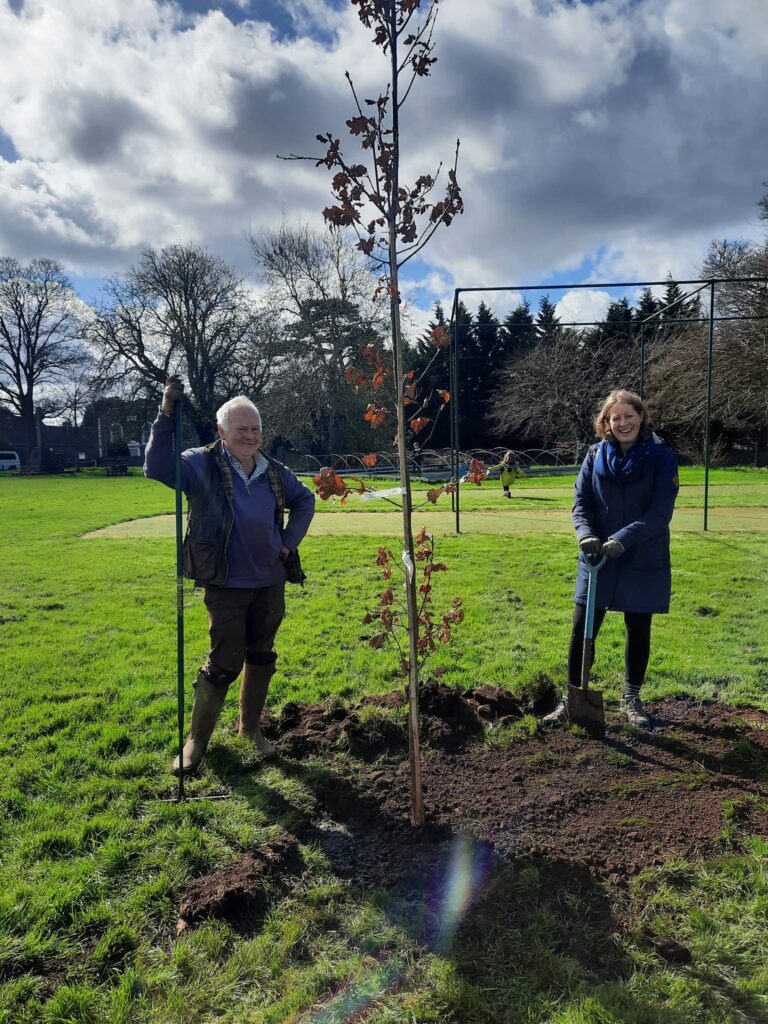
Working with Winterbourne Parish Council, we are working with the Climate and Nature Committee to enhance nature on the local nature reserves, This has included planting trees on Whiteshill Common, supported by funding from the Forest of Avon Trust.
We have also co-developed a new Community Nature Reserve, where local residents can sign up their garden as a haven for nature, which further connects up our local land for wildlife.